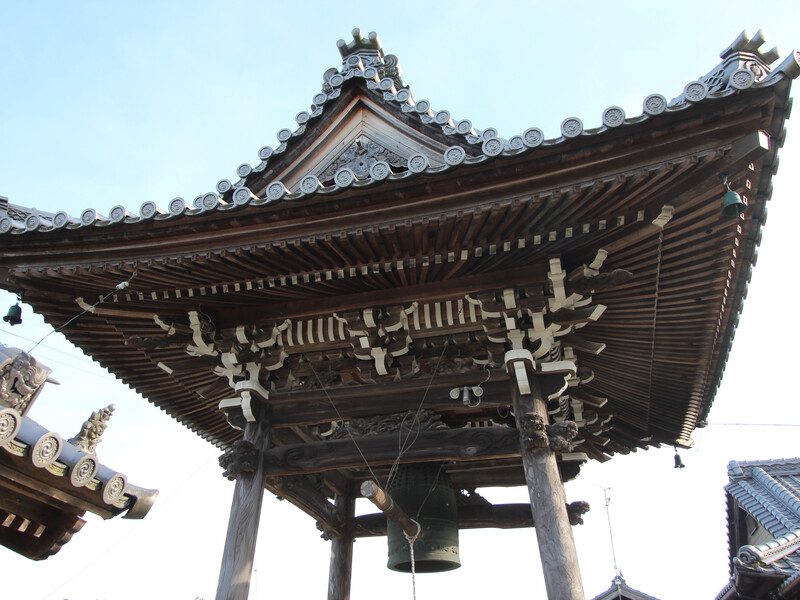
In the early 1600s in Japan, all Japanese citizens had to sign up to be members of their local Buddhist temple. Kenji, a Japanese OM worker, explained, “The Buddhist registration system is called Danka. This system has never disappeared, even if it stopped being compulsory almost 150 years ago. It gets passed down from you to the child and to the grandchildren.
“You don't get any legal punishment for quitting Buddhism, but in rural Japan, there's an unspoken rule that you're not supposed to quit out of this. People are very strongly tied and loyal to this. So this is very much a strong resistance to the gospel.”
OM in Japan has two main focuses. The first is on individuals working under the leadership of Japanese churches to support their work.
"After the end of World War II, between 1945 and 1980, many American mission workers came to Japan and started churches. But after so many decades, many of the churches are weak with only a handful of people attending, and some don’t have any leaders any more," Kenji said. “It is only inevitable that the pastors burn out, or the community and the churches disappear."
The second focus is on individuals and teams in rural areas doing pioneer church planting and sharing Jesus.
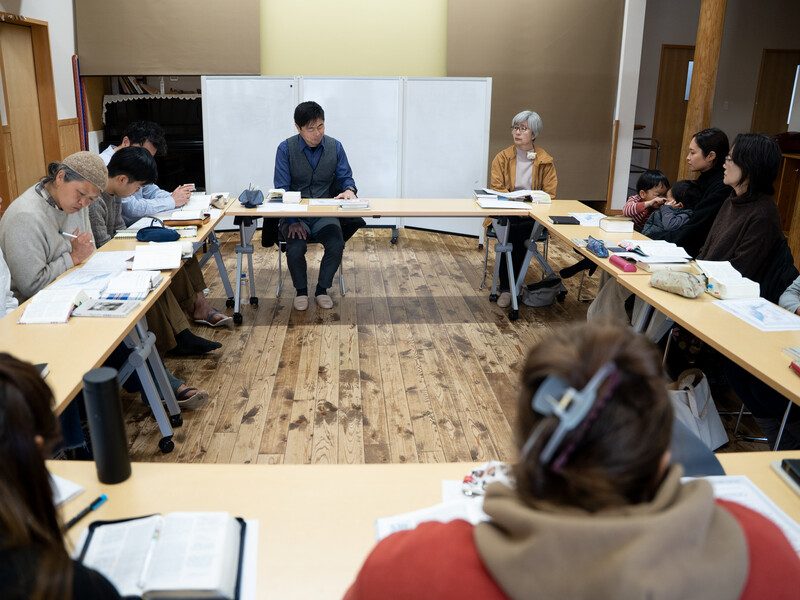
Kenji explained, “We need more workers for rural Japan. OM in Japan has a training centre in a rural part of Mie province. When new OM workers come to Japan, they go through a three-month training period, with language learning a major part of that.
“In Japan, the task is too big for any mission organisations to do it themselves. We need to work together to help the existing Japanese churches as well as reaching the difficult places where there is no Christian witness of any kind.”

Share On Your Socials
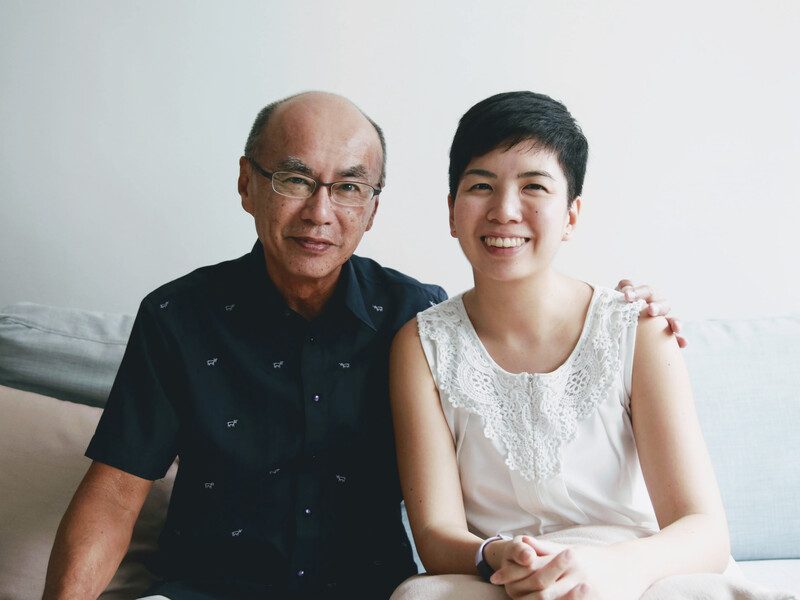
In 1975, 20-year-old Rodney joined Logos, embarking on a 50-year commitment to missions. Inspired by her parents’ example, his daughter Marianne pursued missions as well, leaving behind her career plans.
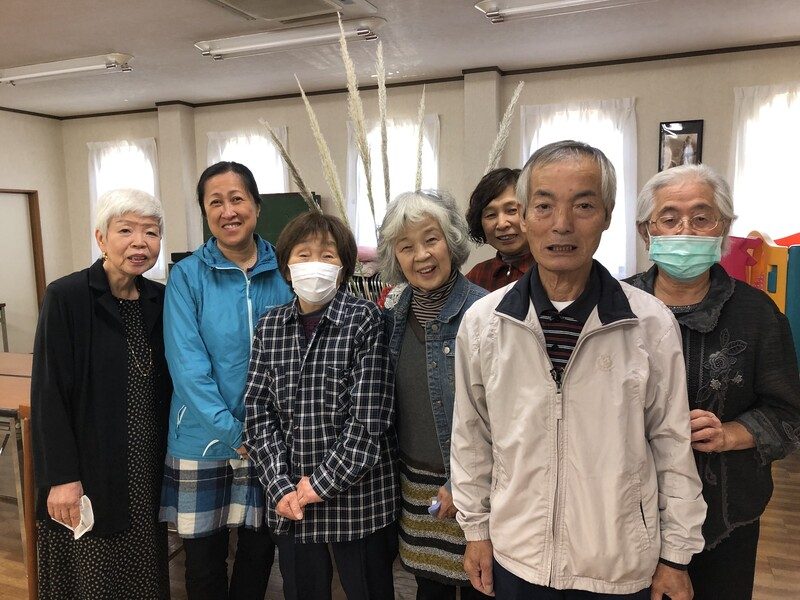
Michelle has been actively involved in outreach and church planting in various regions of Japan. She encourages the local churches in rural areas of Mie, despite the challenges and resistance faced in these regions.
Roughly two-thirds of the Japanese population consider themselves Buddhists, and religious freedom is valued. However, Jesus followers in the country still face many challenges, including division between church denominations.
For more than a decade, Ruth has dreamt of helping people all over the world. Now God is sending her to serve alongside her husband on OM's newest ship.
When Ahsan, a new believer from a Muslim background, shared with one of our workers than he had difficulty believing in the power of prayer, he never imagined that he would see his own prayers answered within a few days.
Lorrin recently took on the role of children's ministry coordinator for Africa Area. Her own childhood experiences inspired Lorrin to provide a safe space for young people where they can be fed spiritually and physically.
Gordon and Julie have seen people journey from an initial interest in the gospel to dedicating their lives to God. Sometimes this journey takes many years to complete.
An outreach as part of a mission training programme run by OM in Papua New Guinea is bearing fruit both in the trainees themselves and in the communities they visit.
Melanie spent years praying and preparing while she waited to move overseas. Having moved to the Caucasus region in 2023, she can see how everything happened in God's timing.
Riya* and husband Pranav* (South Asia) have seen God at work through their work with AIDSLink, where they share God's love with those affected by HIV and AIDS.
A request for a ball has led to transformation in the lives of girls on the shores of Lake Tanganyika.
Sports can provide opportunities for conversations about right and wrong. Coaches Rhoda (Zambia) and Rojas (Tanzania) share stories of lives transformed by sports ministries in Africa.
OM in Pakistan is building on the success of its first ever TeenStreet event last year, helping teenagers to live out their faith year-round.